

Continuing on from my last post on truth and simplicity, a quote from Leonardo da Vinci who knew a thing or two.
Continuing on from my last post on truth and simplicity, a quote from Leonardo da Vinci who knew a thing or two.

Particularly useful for a writer is a vocabulary of truth and simplicity. In writing as much as in our everyday life, simplicity and clarity are trumps.
As much fun as it may be, using obscure, fancy words, might impress only those who are like-minded. Readers who read for entertainment, recreation or enlightenment may not wish to work so hard to understand our words and ideas.
Winston Churchill knew what he was talking about.
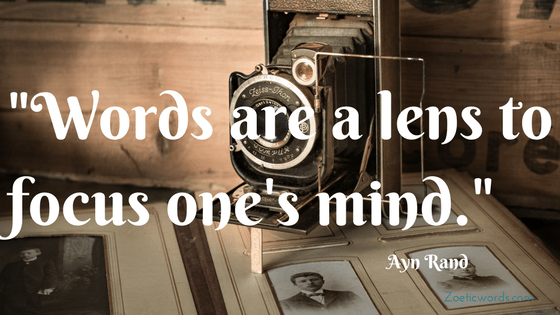
Perspective is everything. What you see and how you feel depends on your point of view. The same events written from different points of view will necessarily be coloured by a person’s focus.
The choice of point of view character is vital in storytelling. The reader experiences the story through the eyes, experiences, beliefs and attitudes of the character. This, for me, is one of the most interesting aspects of reading a great story written by a good writer.
Experiencing a story through the mind of a well-developed character, learning how they think and feel, understanding their point of view, can be a great learning curve. The resulting empathy broadens one’s mind, can make one a better person.
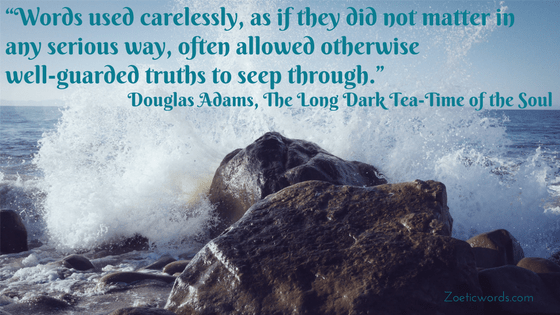
As a reader, I love subtext, those truths that seep through when we least expect it. As a writer, I love finding ways to ‘accidentally’ let them seep through.
Look for Freudian slips, double entendre, innuendo, ambiguity, insinuation, irony, connotation, denotation, and so on.
They often lead to comedy and/or horror as a character realises just what they have said or let slip. Just some of the fun you can have with words.
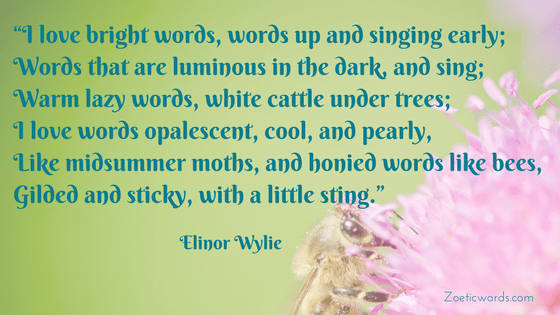
Roll those words around your tongue, test them out loud for cadence and flow. Taste them for sweetness and a tart aftermath. Get all five senses involved then add your imagination and let your spirits soar. That’s the beauty of words.
 Zoetic Words